
When most people think about strong glutes, they think about aesthetics. While glutes certainly contribute to your shape, at TrainHer by Ivane, we see them as something far more crucial: the non-negotiable base of your core strength and the foundation for good posture.
In busy Manchester city centre, many of us spend hours sitting, which effectively “switches off” these powerful muscles. This inactivity is the root cause of many common issues, from lower back pain to poor performance in your Personal Training sessions and during your Yoga flow.
If you want to move better, stand taller, and prevent injury, it’s time to understand why activating your glutes is the most fundamental step you can take for your body.
The Unsung Hero of the Core
When your glutes are weak or inactive (a condition often called “gluteal amnesia”):
Your Lower Back Takes Over: Your back muscles, particularly your lower back and hamstrings, compensate for the lack of glute power during everyday movements like walking, lifting, or running. This compensation leads directly to strain, fatigue, and chronic lower back pain.
Wobbly Foundation: The glutes are the primary stabilisers of the pelvis. Without their support, your hips can shift and tilt, creating an unstable foundation that compromises everything from your squat form to your running gait.
Knee and Ankle Issues: Weak glutes cause the knees to cave inward during movement, leading to knee pain and instability further down the kinetic chain.
“Practice “glute squeezing” periodically throughout the day—especially when standing or walking—to remind your brain how to recruit these muscles.”TrainHer Tip
Glutes: Your Posture Powerhouse
Sitting for long periods causes your hip flexors to become tight and your glutes to become weak and elongated. This combination creates the classic forward-slouching posture.
Activating your glutes helps correct posture in two major ways:
Pelvic Tilt Correction: Strong glutes help pull your pelvis back into a neutral position, preventing the excessive anterior (forward) tilt often associated with a desk job. A neutral pelvis immediately aligns your spine.
Standing Tall: When your glutes are engaged, they act like a supportive sling, allowing your chest to open and your shoulders to relax and fall back, countering the “hunched” look. This is the definition of good posture and immediately improves your confidence.
Essential Moves to Wake Up Your Glutes
You don’t need heavy weights to start activating these muscles. Consistency and mindful contraction are key.
Glute Bridges: Lie on your back, knees bent. Drive your hips toward the ceiling by squeezing your glutes before engaging your lower back. Hold at the top.
Clamshells: Lie on your side, knees bent, feet together. Keeping your feet touching, lift your top knee away from the bottom knee. This targets the stabilizing gluteus medius.
Resistance Band Walks: Place a small resistance band around your ankles or just above your knees. Step side-to-side, keeping tension on the band. This is a brilliant pre-workout Warm-Up for resistance training.
These simple exercises, when integrated regularly, will quickly build the base of core strength necessary to support your spine and transform your posture.
Build True Strength From the Base Up
Whether your goal is a heavier deadlift or a more aligned Yoga for Posture pose, it all starts with your glutes.
At TrainHer by Ivane, we design personalised plans that focus on functional movement, ensuring every muscle group—especially your powerful glutes—is working efficiently together. Stop compensating and start building true strength from the base up.
Related Posts
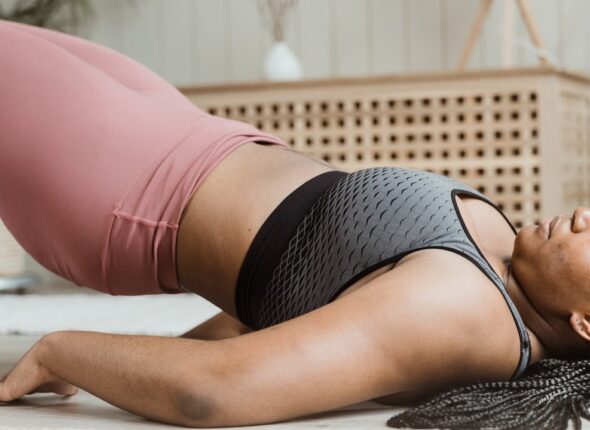
Beyond the Ab Crunch: The 5 Best Core Exercises for a Strong and Stable Back
Ditch crunches! 5 functional core moves for a truly stable back.
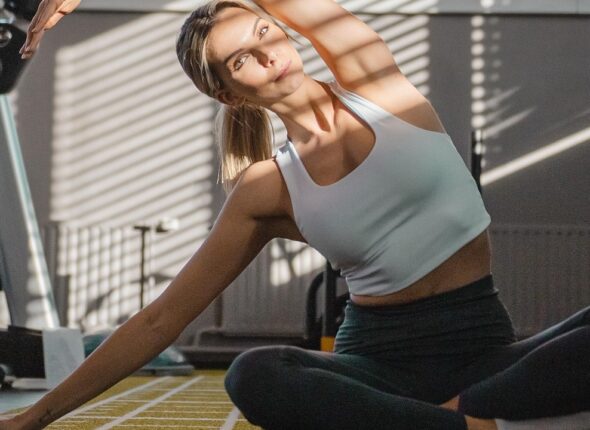
Post-Workout Static Stretching: Routines for Upper Body, Full Body, and Lower Body Focus
Targeted static stretching routines for upper, lower, and full body recovery.
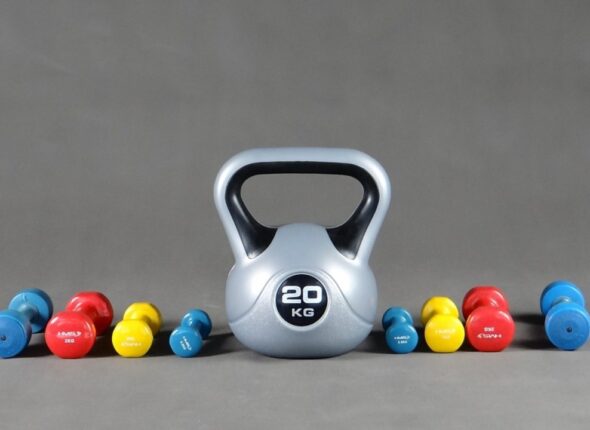
Dumbbells Only: A Killer 30-Minute Full Body Workout You Can Do Anywhere
A killer 30-minute full body circuit you can do anywhere with dumbbells.